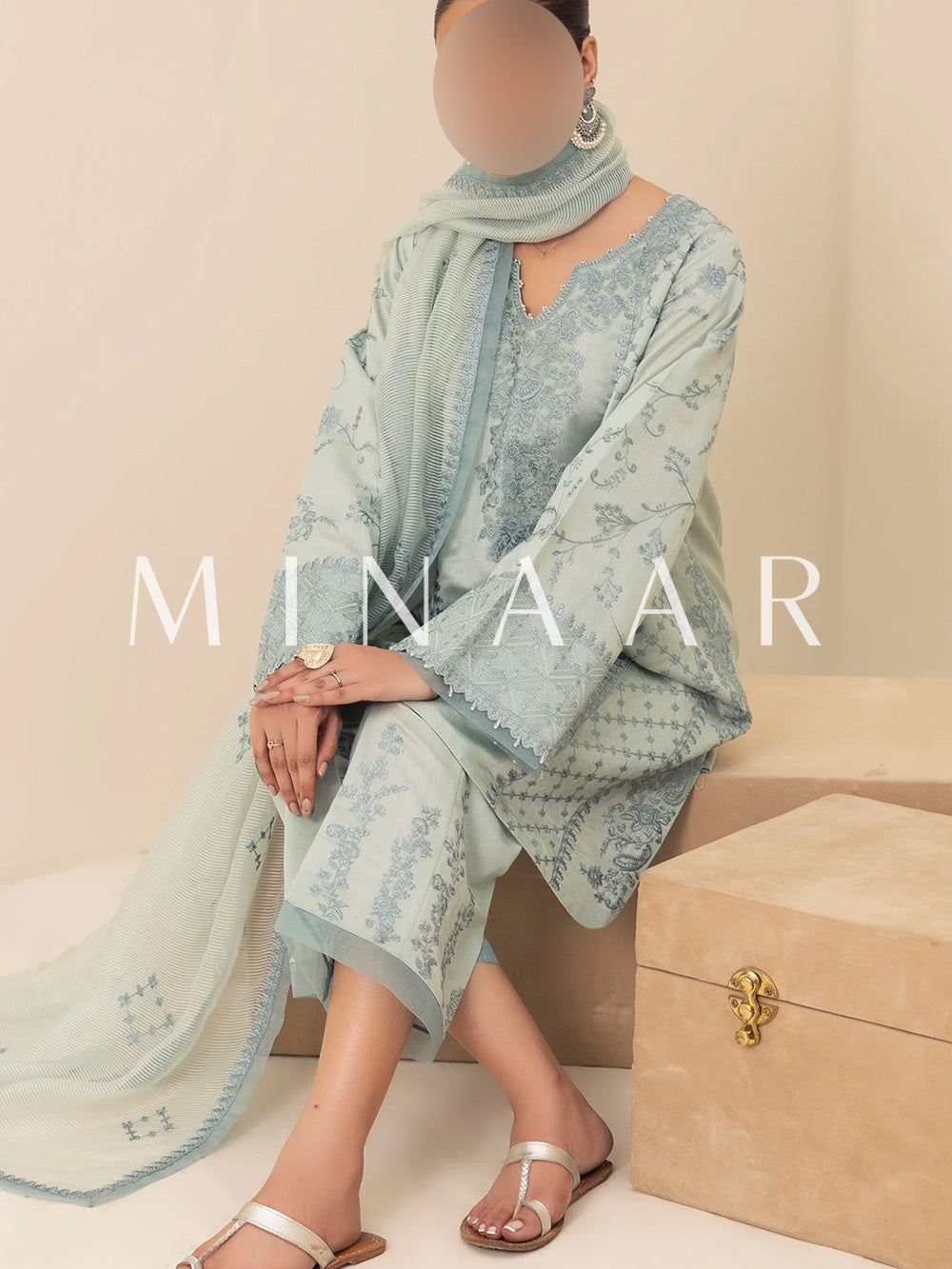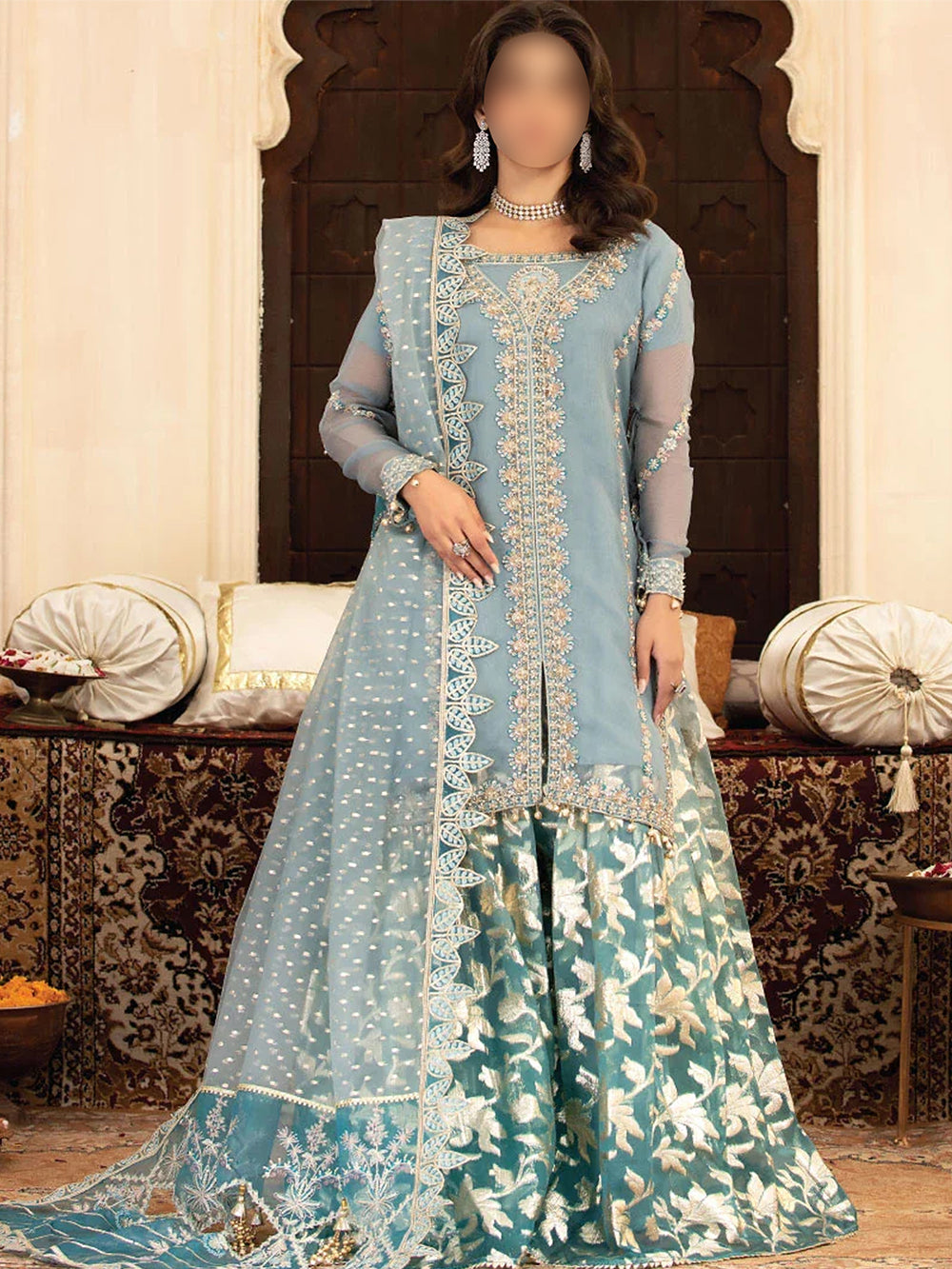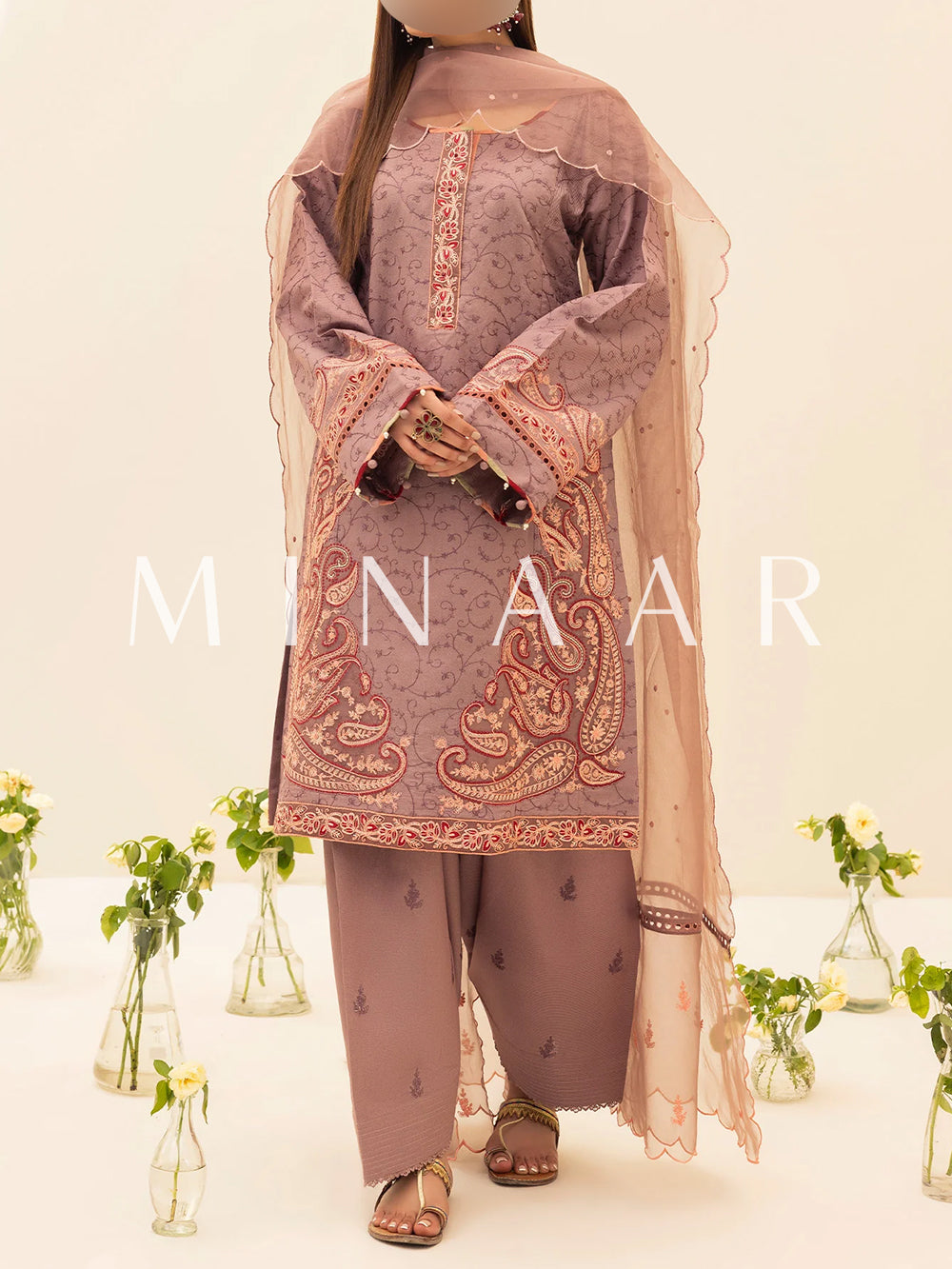

Difference Between Gharara and Sharara
Difference Between Gharara and Sharara?
|
Table of Contents
|
1. Introduction
Have you ever seen someone wearing an outstanding traditional outfit and saying, "Wow, what a stunning sharara!" Only to find out later that it was a gharara? You’re not alone. These two styles look similar, and many people mix them. Both are elegant and full of culture and make you feel beautiful when you wear them.
At Minaar in Sydney, we often meet people who are unfamiliar with exactly what makes a gharara different from a sharara. Since both are preferred for weddings, joyful events, and cultural gatherings throughout Australia, knowing the differences helps you choose the one that best matches your personality and style.
2. History
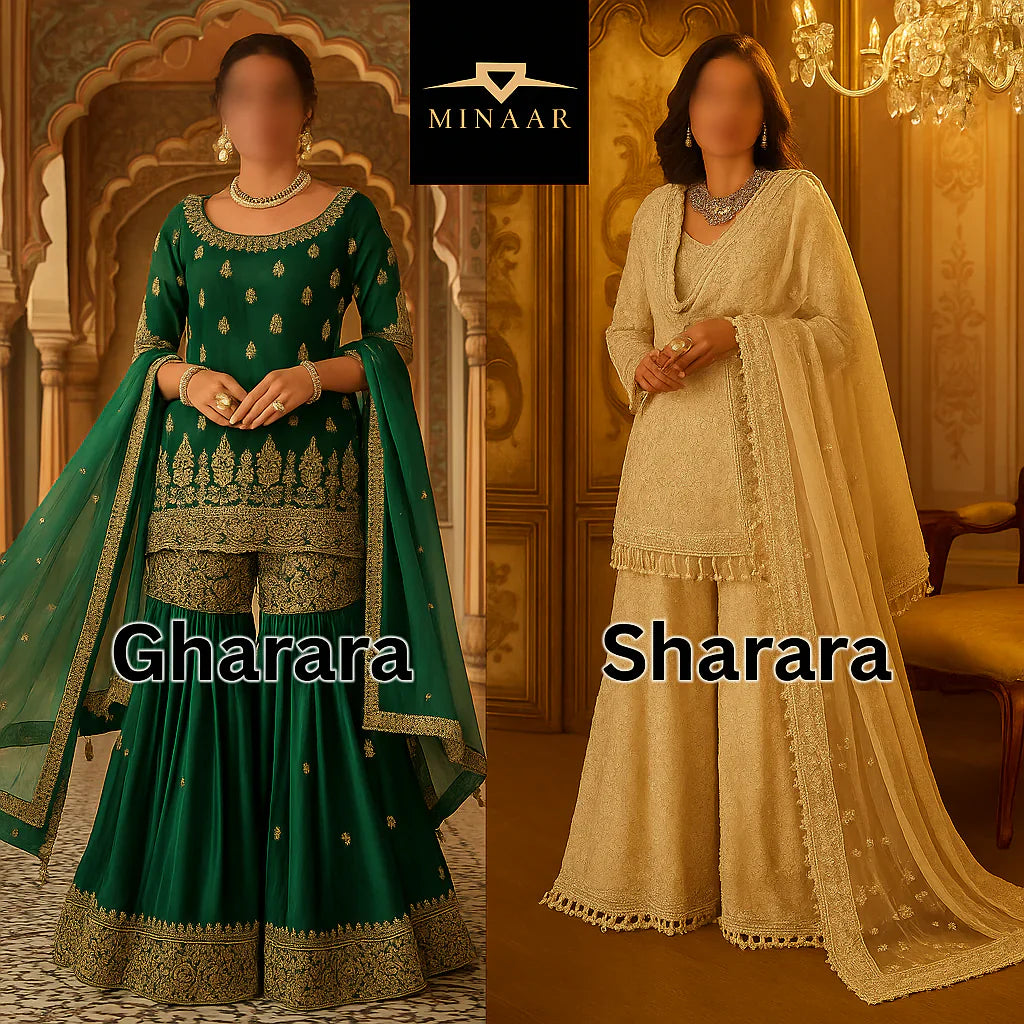
If you want to understand the difference between a Gharara and a Sharara, it helps to know where they originated. Sharara has been around since the Mughal era, when royal women wore pants that were both beautiful and stylish, giving off an air of elegance and grace. Gharara came from Lucknow, a city known for its rich culture and skilled workers. It became popular with Muslim brides because it fit well at the knees and had lace or zari work on the lower part.
Both styles have spread far beyond South Asia in the present day. In Australia, women proudly wear Gharara and Sharara at weddings, Eid celebrations, and cultural events, blending tradition with a modern touch of elegance.
3. Five Key Differences Between Gharara and Sharara

|
Aspect |
Gharara |
Sharara |
|
Cut and shape |
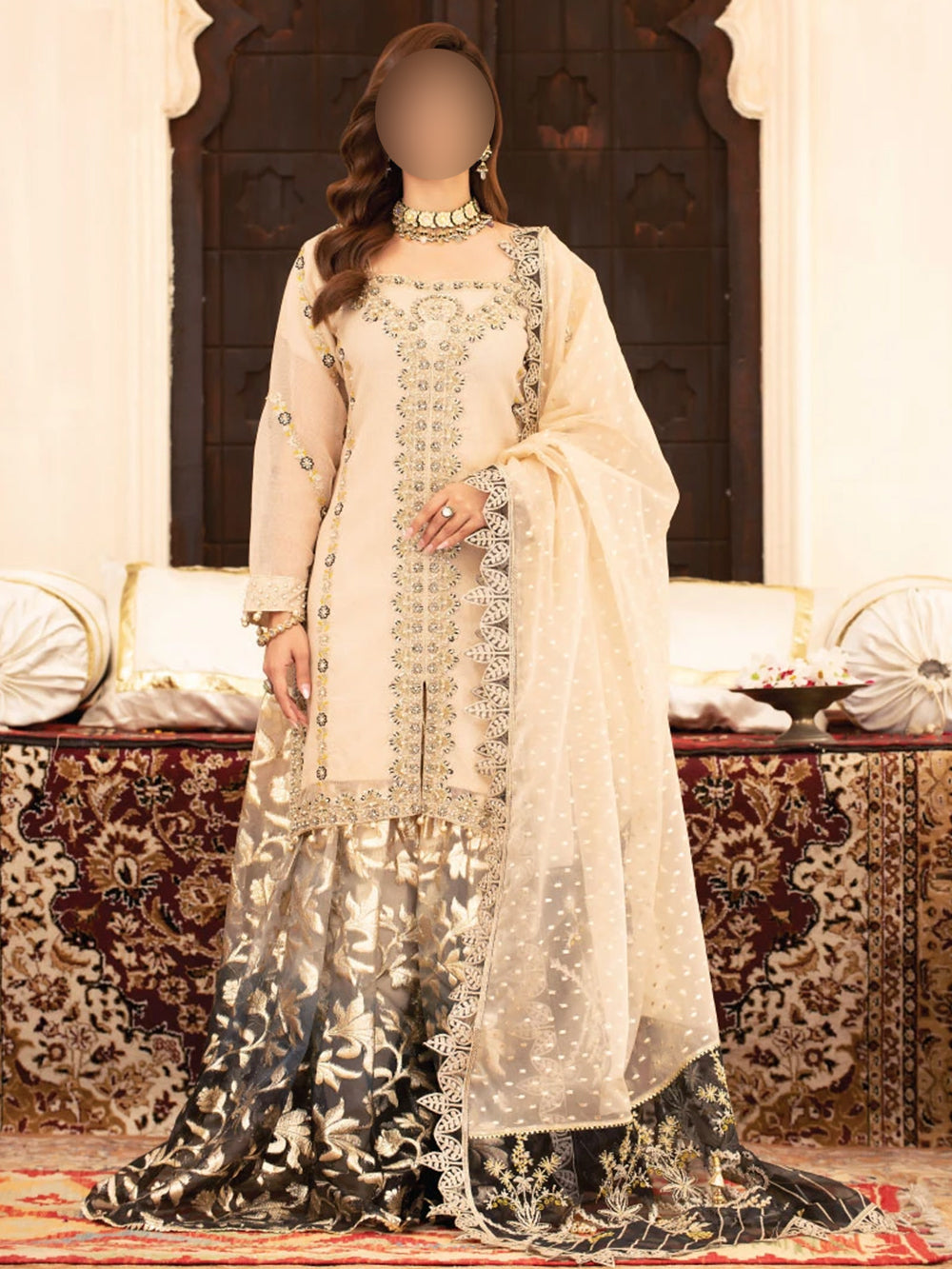
Fitted from the waist to the knees, then flares out with a visible joint or seam. |
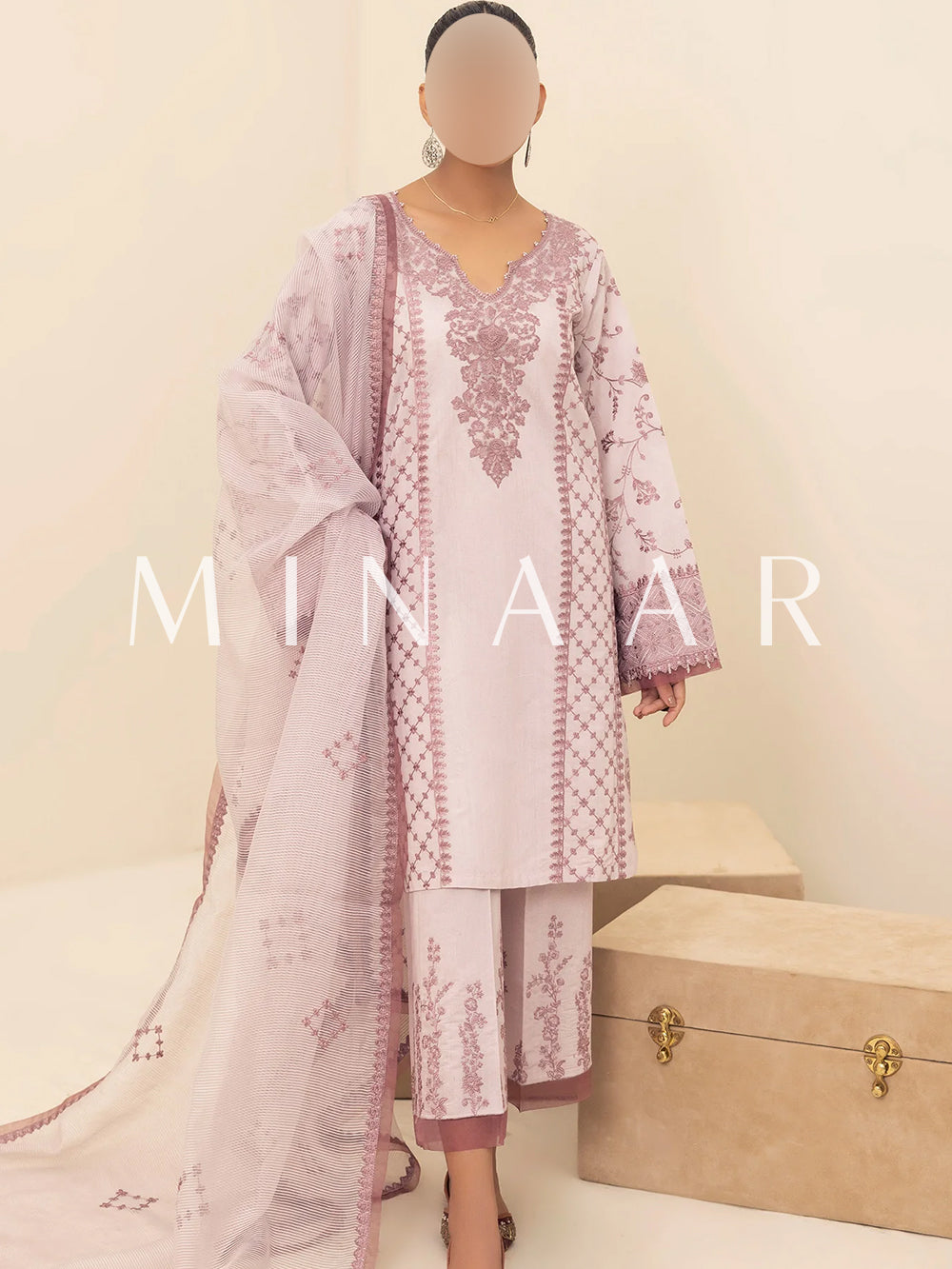
Flows loosely from the waist down, with no seam at the knees. |
|
Overall Look |
It gives a structured and royal look, often paired with short kurtas or long shirts. |
Looks soft, flowy, and elegant, usually worn with a long kameez or short top. |
|
Fabric and Embroidery |
Often it features heavier work or lace near the knee area to highlight the flare. |
Embroidery is spread evenly, giving a graceful and balanced flow. |
|
Cultural Roots |
Started in Lucknow and is very similar to traditional Muslim wedding dresses. |
Inspired by Mughal fashion and popular in South Asia for special occasions. |
|
Comfort and feel |
It has a royal and traditional feel, which makes it great for weddings and big events. |
It feels light and comfortable, which is great for Mehndi nights, parties, and dancing. |
4. Common Misconceptions About Gharara and Sharara
These two outfits share similar shapes and fabrics; many people mix them up. Here are some common misconceptions that we often hear at Minaar:
- They are the same outfit
Not true. While they may look alike, the cut and structure are completely different. - Shararas are only for brides
Not at all! Shararas can be worn by anyone for any event. They come in simple designs for casual functions and heavy styles for weddings.
- Ghararas are outdated
In fact, ghararas are making a big comeback in fashion. Modern designers now blend traditional charm with new trends, creating timeless pieces that are perfect for any age group. - You cannot wear them in Australia
Absolutely false! Many women in Sydney, Melbourne, and Brisbane wear ghararas and shararas for cultural festivals, weddings, and even photo shoots. They beautifully combine tradition with modern Australian style.
5. Final Thoughts
Choosing between a Gharara and a Sharara is not just about fashion, it is about expressing your identity, culture, and confidence. Both outfits carry centuries of tradition and are now loved by women around the world, including right here in Australia.
At Minaar, we celebrate these styles by offering beautifully designed ghararas and Shararas that blend South Asian heritage with Australian elegance. Whether you are attending a wedding, a family function, or a festive dinner, our collection helps you find the outfit that tells your story beautifully.
So the next time you visit our Sydney store or shop online, remember both Gharara and Sharara are equally stunning. It is all about which one makes you feel most like yourself.
6. Frequently Asked Questions (FAQs)
Q1. What is the main difference between a gharara and a sharara?
A gharara is tight from the waist to the knees and then flares out, while a sharara is loose and wide from the waist down.
Q2. Can I wear a gharara or sharara for a wedding in Australia?
Yes, absolutely! Both are popular choices for South Asian weddings and cultural events across Australia.
Q3. Which one is more comfortable?
A sharara is usually more comfortable because it is loose and allows free movement. But a gharara gives a more defined and royal look.
Q4. Are ghararas and shararas suitable for all body types?
Yes, both can look amazing on anybody’s shape. The key is to pick the right fabric and fitting for your comfort.
Q5. Where can I buy these outfits in Sydney?
You can explore elegant ghararas and shararas at Minaar, Sydney’s trusted South Asian fashion brand offering modern designs with a touch of tradition.